Document Type: Original Article
Number of Articles: 259
Nasal Airway Placement in Surgery at Operation Room

Nasal Airway Placement in Surgery at Operation Room

Volume 3, Issue 1, Winter 2024, Pages 165-177

https://doi.org/EJCMPR/20240119

Fransis Harvardy

Abstract Indication when upper airway obstruction due to soft tissue or tongue (excluding epiglottis) in a conscious or unconscious patient with a healthy gag reflex and when extensive tissue damage around the mouth and jaw and chin wiring is not possible. It is used in the case of pharyngeal edema or excessive nasal discharge in children to reduce soft tissue damage when nasal tracheal suctioning is frequently required. Nasal airway placement stimulates the patient's nausea reflex. If the tube is too long, it may enter the esophagus and cause the stomach to dilate. Epistaxis may occur and cause blood to be aspirated. The nasal airway should not be used for patients with extensive facial trauma or a fracture of the basilar portion of the cranial base. Choose the nostril that is larger and more open. Examine the passageway for trauma and foreign body wall deviation or polyps. Prepare suction devices for use if necessary. Measure the length of the nasopharyngeal airway from the tip of the nose to the edge of the ear. Nasal bleeding, aspiration, secondary hypoxia with incorrect placement. The endotracheal tube may be inserted through the nose or mouth. The placement method is visible using a laryngoscope and blindly through the nose. The goal is to establish a safe and efficient air route. Protection of trachea and lungs from aspiration of gastric, blood, and fluid contents from airway compartments, airway for mechanical ventilation, direct access to lungs for excretion or suction, discharge of emergency drugs for rapid absorption through bronchial tree.

Investigating the effects of ephedrine infusion on changes in blood pressure and the need for inotropic drugs in the elderly under spinal anesthesia

Investigating the effects of ephedrine infusion on changes in blood pressure and the need for inotropic drugs in the elderly under spinal anesthesia

Volume 2, Issue 5, Autumn 2023, Pages 167-176

https://doi.org/10.5281/zenodo.8214301

Samad Eslam Jamal Golzari, Hamzeh Hosseinzadeh, Parichehr Mazuji

Abstract Introduction: The purpose of the current study was to test the theory that elderly patients undergoing laparoscopic rectal cancer surgery have impaired microvascular perfusion, which recovers following the administration of phenylephrine and ephedrine. Material and Methods: Patients were divided into one of the two groups using a random number sheet produced by computer software. Anesthetist sealed the opaque envelope with the random number sheet before starting the clinical trial. Ephedrine and N/S were infused into the patients in two different groups. Results: At the time of the phenylephrine injection, the microvascular flow index in the phenylephrine group decreased from 2.89 ±0.16 at baseline to 1.85 ±0.36. At the same time, the number of perfused vessels decreased from 99.16 ±1.74 percent to 64.02± 16.05 percent, and the density of perfused vessels decreased from 16.33± 4.24 mm/mm2 to 10point videos of the sublingual microcirculation''''s sidestream dark field images. Three images of the patients'''' baseline states, 10 min after anesthesia induction, and 5 min after ephedrine administration have been provided. Images for the phenylephrine group at the same time points have also been provided. Conclusion: MAP decline and sublingual microcirculation changes were observed in elderly patients undergoing laparoscopic surgery for rectal cancer. With the help of phenylephrine and ephedrine, sublingual microcirculation was successfully recovered.

Incidence of atrial fibrillation after coronary artery bypass graft surgery and risk factors affecting

Incidence of atrial fibrillation after coronary artery bypass graft surgery and risk factors affecting

Volume 2, Issue 2, May and June 2023, Pages 169-178

https://doi.org/10.5281/zenodo.8020093

Marjan Dehdilan, Khosrow Hashemzadeh

Abstract Introduction: Postoperative onset atrial fibrillation (POAF) is a common complication of coronary artery bypass surgery (CABG). However, the long-term risk of thromboembolism in patients who develop POAF after CABG surgery is unknown. Also, there is no information about stroke prevention in this setting. To investigate the long-term risk of stroke and thromboembolism in patients with new-onset POAF after initial CABG alone compared with patients with non-functional non-valvular atrial fibrillation (NVAF)

Material and Methods: This study used data from the Clinical Cardiac Surgery Database and the Danish National Registry to identify patients undergoing a primary CABG procedure and de novo CABG between January 1, 2000 and June 30, 2015. The age, sex, CHA2DS2-VASc score and year of diagnosis of these patients were compared with dysfunctional NVAF between 1 and 4. Data analysis was performed between 2012-15. Proportion of patients starting oral anticoagulation within 30 days and thromboembolic rate.

Results: 115 patients who developed POAF after CABG surgery and 115 patients who developed NVAF were compared. In the total population of 10,540 patients, the median (interquartile range) age was 69 years.2 (63.7-74.7) years; 8675 patients (82.3%) were male. 175 POAF patients (8.4% and 3549 patients with NVAF (42.9%). The risk of thromboembolism was lower in the POAF group than in the NVAF group (18.3 vs. 29.7 events per 1000 person-years; adjusted hazard ratio [HR], 0.55; 95% confidence interval, 0.32-0.95; P = .03) and NVAF (adjusted HR, 0.59; 95% CI, 0.68; P < .001) compared with patients not receiving anticoagulant therapy.

Conclusion: Patients undergoing CABG surgery had a longer risk of thromboembolic new POAF than those undergoing NVAF. These data do not support the view that de novo POAF should be considered the same as primary NVAF in terms of long-term thromboembolic risk.

A Hybrid Machine Learning-DFT Framework for High-Throughput Screening of Organic Corrosion Inhibitors: From Electronic Structure Prediction to Experimental Validation

A Hybrid Machine Learning-DFT Framework for High-Throughput Screening of Organic Corrosion Inhibitors: From Electronic Structure Prediction to Experimental Validation

Volume 5, Issue 3, Spring 2026, Pages 174-185

https://doi.org/10.5281/zenodo.21196288

Frank Rebout

Abstract The discovery of effective and environmentally friendly organic corrosion inhibitors remains constrained by slow experimental screening and fragmented computational workflows . This study presents an integrated hybrid framework combining density functional theory (DFT), molecular dynamics (MD) simulations, and machine learning (ML) for high-throughput screening of organic corrosion inhibitors. DFT provides quantum-level insights into electronic structure and adsorption energetics through frontier molecular orbital analysis (EHOMO, ELUMO, energy gap ΔE), while MD captures time-dependent interfacial behavior and competitive ion interactions . A comprehensive dataset of 284 phenyl phthalimide derivatives was generated through DFT and MD simulations, with electronic properties correlated to experimental inhibition efficiency values . Among various ML models evaluated, Artificial Neural Networks demonstrated the highest prediction accuracy, achieving R² values of 93.18% for EHOMO and 91.12% for ELUMO . SHAP and PFI feature importance analyses revealed that descriptors B06[C-N] and qnmax are essential for inhibitor efficacy . The integrated framework addresses key limitations in current approaches including data scarcity, non-standardized descriptor selection, insufficient physical interpretability, and poor generalization across chemically diverse systems . Experimental validation through electrochemical impedance spectroscopy (EIS) and potentiodynamic polarization confirmed the predictive capability of the ML models, with excellent agreement between predicted and measured inhibition efficiencies. This work establishes a unified, scalable, and physically informed computational framework for rational design and discovery of next-generation corrosion inhibitors.

Investigating the Effects of Pethidine on Hemodynamic Status after Completion of Laparotomy Surgery

Investigating the Effects of Pethidine on Hemodynamic Status after Completion of Laparotomy Surgery

Volume 1, Issue 4, September and October 2022, Pages 175-188

https://doi.org/10.5281/zenodo.8004658

Abdolreza Mehdinavaz Aghdam, Fariborz Rousta

Abstract Introduction: The objective of the study was to assess and compare the analgesic effectiveness and safety profiles of pethidine in relieving pain experienced post major surgical procedures. Material And Methods: A prospective interventional investigation was carried out on a cohort of 71 patients who underwent a significant surgical procedure. In this study, a total of 71 patients were administered intramuscular medication for a duration of 48 hours following surgery. Specifically, 36 individuals were treated with placebo dosages of 3 CC administered at 6-hour intervals, whereas the remaining 35 received 100 mg doses of pethidine at the same frequency. The present study aimed to evaluate and compare the analgesic efficiency and safety of placebo and pethidine. The aforementioned evaluation was performed at various time intervals of 1, 6, 12-, 24-, 32-, and 48-hours post-administration of the respective drugs. The efficacy of analgesics was evaluated through the utilization of both the Visual Analogue Scale (VAS) and Verbal Rating Scale (VRS). Results: The present study demonstrated the equianalgesic efficacy between placebo and Pethidine as determined by both Visual Analogue Scale (VAS) scores at 12 and 48 hours, and Verbal Rating Scale (VRS) scores at 1 and 48 hours during the postoperative period. During alternative observation periods, it was observed that pethidine demonstrated superior analgesic properties when compared to ketorolac. Conclusion: Pethidine demonstrated a higher degree of efficacy as an analgesic agent in comparison to ketorolac. Additional investigations, comprising a double-blind randomized trial, have been proposed to authenticate the findings presented in the current undertaking.

Examining Cermet’s (a Homogeneous Mixture of Metals or Alloys or One or More Ceramic PhaZes)

Examining Cermet’s (a Homogeneous Mixture of Metals or Alloys or One or More Ceramic PhaZes)

Volume 2, Issue 4, Autumn 2023, Pages 175-186

https://doi.org/10.5281/zenodo.8282400

Frank Ablin Derosow

Abstract Cermet, an abbreviation used worldwide for a homogeneous mixture consisting of metals or alloys or one or more ceramic phases comprising approximately 15 to 18% by volume and relatively little solubility between the metal and ceramic phases at the preparation temperature. It is being used. A good definition of the word ceramic can be found in "Ceramic index". Any unusual, non-metallic product that is exposed to high temperatures during manufacture or use. By way of example, but not exclusively, the ceramic is a metal oxide, braide, carbide, or combination or mixture of such materials; In which there are anions that play an important role in atomic structure and properties. With a specific source on cermet’s, this definition of a ceramic component can be expanded to include nitrides, carbonatites, and silicides. In a broad view, cermet’s are like a special type of hard and refractory materials in the general class of metal composites. This topic is well covered in scientific papers, especially in the spectrum of specific comparable fracture volumes and metallic components. Compared to composite layers, the combination of metal and non-metal in cermet’s occurs on a very small scale. The non-metallic phase is usually non-filamentous, but a number of fine non-coaxial grains are formed, which are well dispersed and attached to the metal matrix. If the metal or ceramic component is often in the form of filaments, the material should be considered as a composite material. The connection between the non-metallic phase and the metallic background creates important effects among cermet’s; This greatly affects the phase associations, solubility and wetting characteristics associated with ceramic and metal components.

The Role of Precision Medicine in Personalized Cancer Treatment

The Role of Precision Medicine in Personalized Cancer Treatment

Volume 4, Issue 2, Spring 2025, Pages 175-197

https://doi.org/10.5281/zenodo.18799223

Ouldouz Navaei

Abstract Recent advancements in CRISPR (Clustered Regularly Interspaced Short Palindromic Repeats) technology have revolutionized the field of gene therapy, particularly in the context of cancer treatment. CRISPR-Cas9, a powerful genome-editing tool, enables precise modifications to the DNA of cancer cells, offering new avenues for targeted therapy. This technology allows for the knockout of oncogenes, activation of tumor suppressor genes, and engineering of immune cells to enhance their anti-tumor activity. Additionally, CRISPR-based screens have facilitated the identification of novel therapeutic targets and resistance mechanisms in various cancer types. Despite its potential, challenges such as off-target effects, delivery efficiency, and immune responses remain significant hurdles. Recent innovations, including base editing, prime editing, and CRISPR interference (CRISPRi), are addressing these limitations, enhancing the specificity and safety of CRISPR applications. Furthermore, the integration of CRISPR with other therapeutic modalities, such as immunotherapy and chemotherapy, holds promise for synergistic effects in combating cancer. This review highlights the transformative impact of CRISPR technology on cancer gene therapy, discusses current advancements, and explores future directions to overcome existing barriers, ultimately paving the way for more effective and personalized cancer treatments.

Determining the stability of hemodynamic status in the elderly under spinal anesthesia following ephedrine infusion during surgery

Determining the stability of hemodynamic status in the elderly under spinal anesthesia following ephedrine infusion during surgery

Volume 2, Issue 5, Autumn 2023, Pages 177-186

https://doi.org/10.5281/zenodo.8214311

Hamzeh Hosseinzadeh, Parichehr Mazuji, Samad Eslam Jamal Golzari

Abstract Introduction: Ephedrine and phenylephrine are the preferred vasopressors for preventing SAIH in the elderly. Our study's goal was to assess how well prophylactic intravenous (IV) ephedrine or N/S infusions prevented hypotension and decreased CO after SA in patients older than 60 undergoing elective orthopedic surgery. Material and Methods: The patients were randomly assigned to one of the three groups using sealed envelope randomization for the administration of the prescribed medication. Thirty milliliters of 0.9% NaCl were infused into the C group (control group) 30 minutes after SA. Thirty minutes after SA, the E group (ephedrine group) received a continuous infusion of 30 ml of 0.9% NaCl and 20 mg of ephedrine. Following SA, a volumetric IV pump was used to begin the infusion of the prescribed treatment medication in all groups. Using the AESCULON, OSYPCA MEDICAL, 2011, monitor, we measured non-invasive blood pressure, non-invasive CO using the thoracic electrical bioimpedance (TEB) method, heart rate, and pulse oximetry (SpO2). Results: A brief statistically significant decrease in MAP was observed in the P group 10 and 20 minutes after the block, but by the time the measurements were complete, MAP had nearly reached baseline levels. In the E group, MAP was preserved following SA. At the conclusion of the measurements, there were no differences between the P and E group, but the decrease in MAP was noticeably greater in the C group than the E and P group. In the C and P groups, CI after SA decreased non-significantly, while in the E group, CI significantly increased after SA. Conclusion: In conclusion, our research demonstrates that we can maintain MAP following SA by combining the Ringers solution infusion with an infusion of ephedrine or phenylephrine.

Navigating the Challenges: A Personal Journey with Chronic Recurrent Multifocal Osteomyelitis in a 7-Year-Old Girl and a Comprehensive Systematic Review of Existing Literature

Navigating the Challenges: A Personal Journey with Chronic Recurrent Multifocal Osteomyelitis in a 7-Year-Old Girl and a Comprehensive Systematic Review of Existing Literature

Volume 3, Issue 1, Winter 2024, Pages 178-186

https://doi.org/EJCMPR/20240120

Leila Mahboobi, Babak Sandoghchian Shotorbani

Abstract This case report delves into the intricate management of a 7-year-old girl suffering from Chronic Recurrent Multifocal Osteomyelitis (CRMO), highlighting the pivotal role of Meloxibell, a medication integrating Meloxicam, in her treatment. The patient presented with severe knee pain, progressing to hip pain and lameness, prompting referral to the Department of Pediatric Rheumatology. With no underlying diseases in the patient or her parents, diagnostic evaluations revealed elevated CRP and ESR levels. Imaging studies, including ultrasound and MRI, unveiled multifocal bone involvement, and subsequent biopsies confirmed the diagnosis of CRMO. Hospitalization ensued, during which vital signs remained stable, and comprehensive tests yielded normal results. Meloxibell, administered at 7.5mg, demonstrated remarkable efficacy, resulting in the alleviation of symptoms and subsequent discharge. This case underscores the diagnostic challenges inherent in CRMO and sheds light on the potential of Meloxibell as an effective therapeutic agent. The successful outcome observed prompts consideration of Meloxibell as a valuable addition to CRMO management, warranting further research to elucidate its long-term efficacy and safety profile. As CRMO continues to pose diagnostic and therapeutic challenges, this case report contributes valuable insights to the evolving landscape of pediatric rheumatology, emphasizing the need for individualized treatment approaches in this complex disorder.

Corrosion-Fatigue Interaction in Dissimilar Metal Welded Joints under Sour Service: A Multi-Physics Coupling Approach to Crack Initiation and Propagation

Corrosion-Fatigue Interaction in Dissimilar Metal Welded Joints under Sour Service: A Multi-Physics Coupling Approach to Crack Initiation and Propagation

Volume 5, Issue 3, Spring 2026, Pages 186-199

https://doi.org/10.5281/zenodo.21196377

Andi Johnson

Abstract Dissimilar metal welded joints (DMWJs) are essential components in offshore oil and gas infrastructure, yet they face critical degradation through corrosion-fatigue interaction under sour service conditions. This comprehensive review examines the multi-physics mechanisms governing crack initiation and propagation in DMWJs exposed to sour environments containing H₂S, where fatigue lives can be reduced by factors of 10× to 50× compared to air . The electrochemical and mechanical coupling arises from hydrogen embrittlement, where hydrogen generated at the crack tip diffuses into the fracture process zone (FPZ) and degrades material cohesion . Microstructural heterogeneity across the weld—including the heat-affected zone (HAZ), fusion boundary, and buttering layers—creates complex local stress-strain fields and galvanic corrosion cells that accelerate damage . Welding residual strain and ductility dip cracking have been identified as critical promoters of corrosion fatigue crack initiation in DMWJs, with cracks initiating preferentially at weld interfaces or regions of high residual strain . Advanced predictive models based on hydrogen transport kinetics to the FPZ have been developed to quantify corrosion fatigue crack growth (CFCG) rates over wide ranges of mechanical variables (ΔK, stress ratio, frequency) and environmental variables (H₂S partial pressure, pH, temperature) . The transition from short-crack to long-crack behavior in sour environments reveals that shallow flaws can grow up to an order of magnitude faster than deep flaws at equivalent ΔK, highlighting the non-conservatism of deep-crack data for shallow flaw assessment . This review concludes that effective life prediction requires integrated multi-physics frameworks coupling crack-tip electrochemistry, hydrogen diffusion, and fracture mechanics.

Investigating the Hot Extrusion Method for Cermet Powder Mixtures

Investigating the Hot Extrusion Method for Cermet Powder Mixtures

Volume 2, Issue 4, Autumn 2023, Pages 187-196

https://doi.org/10.5281/zenodo.8282430

Martin Viberman

Abstract The process of hot extrusion of very fine cemented carbide powder with a combination of softener has been known for many years. This method has been successfully used for cermet’s to make simple prismatic shapes that have a large length to cross-sectional area ratio. Cylindrical and quadrangular shapes and other sections can be easily made with this method, even making pipes is also possible. Depending on the plasticizer used (for example, polystyrene with the addition of dimethyl and diphenyl ether), the extrusion process requires temperatures between 160 and 175 degrees Celsius (320- and 350-degrees Fahrenheit). The process of complete and slow sticking under vacuum before full sintering is necessary and even vital to avoid stretching (from casting defects, from sagging), breaking or very small porosity. Twisting of bodies produced by extrusion similar to what happens in the plastic industry is acceptable for this process. In order to produce a high-quality product, hot pressing is necessary.

Exploring Biomarker Profiles in Breast Carcinoma with Nervous System Metastasis

Exploring Biomarker Profiles in Breast Carcinoma with Nervous System Metastasis

Volume 3, Issue 1, Winter 2024, Pages 187-196

https://doi.org/EJCMPR/20240121

Reza Eghdam Zamiri, Saeid Charsouei

Abstract Introduction: The exploration of biomarker profiles in breast carcinoma with nervous system metastasis represents a critical frontier in cancer research. This endeavor holds the potential to revolutionize diagnostic accuracy, prognostic precision, and therapeutic strategies for patients grappling with this aggressive form of cancer. As research progresses, the integration of biomarker information into clinical practice may usher in a new era of personalized medicine, offering hope for improved outcomes and a better quality of life for those affected by breast carcinoma with nervous system metastasis

Material and Methods: This retrospective study analyzed 150 breast carcinoma patients with nervous system metastasis. Clinical data were sourced from records, and tissue samples underwent immunohistochemistry and gene expression profiling. Statistical analyses, including survival curves, explored biomarker associations. A 75-patient validation cohort supported findings.

Results: Microarray analysis of gene expression profiles identified distinct molecular signatures associated with nervous system metastasis. Pathway enrichment analysis revealed upregulation of genes associated with cell migration, angiogenesis, and neuroinflammation.

Conclusion: Our exploration of biomarker profiles in breast carcinoma patients with nervous system metastasis has provided a nuanced perspective on the molecular intricacies of this formidable disease. The integration of clinical, pathological, and molecular data has facilitated a comprehensive understanding of the heterogeneity inherent in nervous system metastasis.

Results of Cardiac Surgeries in Pediatric Requiring Cardiac Surgery Hospitalized in the Intensive Care Unit

Results of Cardiac Surgeries in Pediatric Requiring Cardiac Surgery Hospitalized in the Intensive Care Unit

Volume 1, Issue 4, September and October 2022, Pages 189-197

https://doi.org/10.5281/zenodo.8004764

Khosrow Hashemzadeh, Marjan Dehdilan

Abstract Introduction: Our primary aim was to examine postoperative complications in cardiac surgery patients and their relationship to the use of cardiopulmonary resuscitation (CPB). A secondary aim was to evaluate the association of postoperative complications with outcome measures. Material and Methods: Single-institution observational study of consecutive cardiac surgery patients over 1 year. Five cardiac cases and 15 extracardiac cases were studied. CPB use, CPB parameters, demographics and Risk Adjusted Classification of Congenital Cardiac Surgery (RACHS-1) levels were evaluated as complication risk factors. Outcomes examined included duration of mechanical ventilation, length of stay in pediatric hospital, length of stay, and mortality. Results: Logistic regression analysis, after adjusting for age, sex, prior sternotomy, and RACHS-1 level, provided insufficient evidence for an association between CPB support and the incidence of cardiovascular or extracardiac problems. For patients receiving CPB, longer duration of CPB, higher RACHS-1 levels, and lower CPB temperature were associated with more cardiovascular events (P < .01). Longer CPB duration and higher RACHS-1 levels were associated with more cardiovascular complications (P = .006). Postoperative complications were associated with longer ventilator time, longer pediatric heart failure hospital stay, longer hospital stay, and death (P < .01). Conclusion: Postoperative complications occurred in 43% of pediatric cardiac procedures with and without CPB. Complications include longer use of ventilators, pediatric heart failure and hospital stay, and increased mortality.

Development of Bio-Based Additives as Green Alternatives to Conventional Additives in Engine Oil Formulations

Development of Bio-Based Additives as Green Alternatives to Conventional Additives in Engine Oil Formulations

Articles in Press, Accepted Manuscript, Available Online from 22 October 2026

https://doi.org/10.5281/zenodo.23562715

Mohammd Mafi, Masoud Fallahi, Saadi Khodamoradi

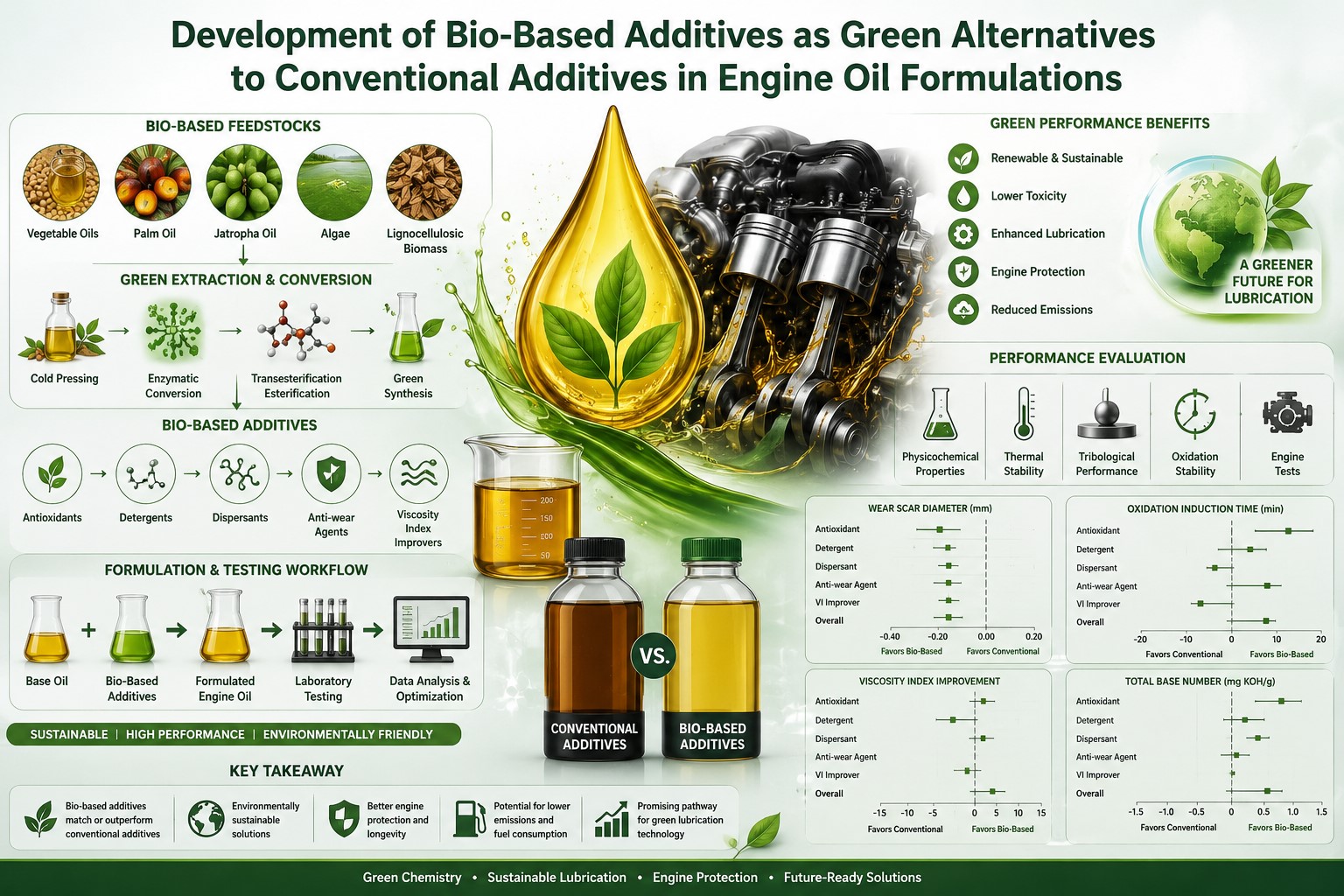
Abstract The development of bio-based lubricant additives represents a promising strategy for reducing the environmental footprint of engine oils while maintaining the physicochemical and tribological performance required in modern internal combustion engines. Conventional lubricant formulations commonly incorporate antioxidants, antiwear agents, friction modifiers, viscosity modifiers, detergents, and dispersants, several of which are derived from nonrenewable resources or raise concerns regarding persistence, toxicity, and end-of-life management. Bio-based alternatives obtained from vegetable oils, agricultural residues, lignocellulosic biomass, natural phenolic compounds, and other renewable feedstocks offer opportunities to improve lubricity, biodegradability, and resource efficiency. This review examines the mechanisms, performance characteristics, and limitations of these additives, emphasizing their potential application in engine oil formulations. The literature is evaluated in relation to four principal domains: tribological performance, oxidative and thermal stability, physicochemical compatibility, and environmental sustainability. Particular attention given to fatty-acid derivatives, natural antioxidants, chemically modified vegetable oils, bio-derived friction modifiers, and multifunctional additives. The methodological framework combines a structured narrative review with qualitative evidence mapping and comparative assessment of reported findings. Four analytical tables summarize additive classes, functional mechanisms, performance considerations, and formulation requirements. Because the identified studies employ heterogeneous materials, concentrations, test conditions, and performance indicators, the available evidence does not support the calculation of a defensible pooled effect size without additional standardized experimental data. Accordingly, forest-plot-style quantitative synthesis distinguished from qualitative evidence mapping. The review indicates that bio-based additives can provide useful lubricity and sustainability advantages, but their suitability for engine oils depends on oxidation resistance, low-temperature behavior, additive compatibility, deposit control, and compliance with engine-specific performance requirements. Future research should prioritize standardized testing, life-cycle assessment, and validation in fully formulated engine oils under representative operating conditions.

Intensive Care Nursing, Golden Points of Clinical and Mining

Intensive Care Nursing, Golden Points of Clinical and Mining

Volume 2, Issue 5, Autumn 2023, Pages 194-202

https://doi.org/10.5281/zenodo.8263002

Alfred Atlinkson

Abstract To evaluate the work of the left ventricular muscle, aortic and mitral valves or open coronary arteries. This method is used to assess the patient's condition before and after heart surgery. In both left and right heart catheterization methods, there is a possibility of allergic reaction to the contrast agent in the form of nausea, vomiting, flushing, burning sensation, numbness, hives and itchy skin. Anaphylactic shock rarely occurs, so after the use of osmotic diuretics and hydration of the patient helps to expel the contrast agent faster. The patient should fast for 8-12 hours. Tell the client to lie on a firm bed for about 2 hours, give a sedative usually diazepam (5 to 10 mg) and diphenhydramine (25 to 50 mg), and stop taking anticoagulants such as warfarin 48 hours before. Work or only patient PT is 18 seconds. Explanation to the patient There is a strong desire to cough (catheterization of the heart) when the contrast agent is injected. Sudden onset of urination and urination, which resolves within a few minutes. Control vital signs of having an open and suitable vessel, measuring height and weight to calculate the appropriate amount of medication. Explain to the patient that he or she will sometimes feel a throbbing sensation in the chest. This palpitation is due to the extrasystoles that appear, especially when the tip of the catheter hits the ventricular wall. The patient is asked to cough or take deep breaths, especially after the contrast agent is injected. Coughing may interrupt the dysrhythmia and also help the contrast material to pass through the arteries.

Examining the Arrangement of Cermet Positions and its Types to Improve Resistance to Deformation and Fracture

Examining the Arrangement of Cermet Positions and its Types to Improve Resistance to Deformation and Fracture

Volume 2, Issue 4, Autumn 2023, Pages 197-206

https://doi.org/10.5281/zenodo.8282586

Frank Ablin Derosow

Abstract A major improvement in the resistance to deformation in TiC cermet’s and at the same time as a reduction in brittleness is possible by changing the arrangement of the bonded alloy or the carbide phase or both. to give an example of an optimal adhesive composition is 22.5% nickel, 10% molybdenum, and approximately 7% aluminum. Improvement of the compressive yield strength of the carbide phase is achieved by forming a solid solution of TiC with 10% by weight of Vc. The addition of approximately 10% by weight of TiM greatly increases the deformation resistance of cermet. It is believed that this increase is ultimately the result of two factors, the effect of re-purification of the grains and the hardening of the carbide phase in the solid solution. If the ratio of titanium nitride to titanium carbide increases, carbo-nitride undergoes changes in its structure, which under controlled conditions can greatly improve the strength and fracture toughness of cermet. In the early 1970s, it was discovered that in the ternary systems Ti-MO-C-N and Ti-W-C-N there is a miscible gap in complete solid solutions between MON, MOC, TiN, and TiC under controlled, single-phase process conditions. Homogeneous solid solution breaks spontaneously or immediately into two similar phases that have close network parameters, but have different chemical compositions.

CHAT-GPT and artificial intelligence in Medical Endocrine System and interventions

CHAT-GPT and artificial intelligence in Medical Endocrine System and interventions

Volume 3, Issue 1, Winter 2024, Pages 197-209

https://doi.org/EJCMPR/20240216

Melika Shojaei

Abstract A B S T R A C T

Introduction: Since its release, ChatGPT has taken the world by storm with its utilization in various fields of life. This review's main goal CHATGPT is a CHATGPT developed by Open AI. This robot is trained with the help of artificial intelligence on a large amount of data to learn language patterns. In the medical application of CHATGPT, the main topic is the conversation between doctors and patients. Method: In this study we searched in Scopus, Google scholar, PubMed databases and by searching with keywords such as "Nursing Services", "Importance of CHATGPT” and “Medical Education” during 2018-2024 to obtain articles related to the selected keywords. This innovation has the potential to automate daily tasks such as generating patient records or writing reports. By studying more than 45 articles about CHATGPT and the role of artificial intelligence in medicine, the results of this study showed that CHATGPT, with its very high potential, can play an important role in the field of interactions between humans and artificial intelligence and intelligent systems in the future. Results: The move towards the use of artificial intelligence in medicine, which is informed by patient information, can provide more personalized and clinically accurate answers to patients. Also, according to the findings of this research, it can be said: Automating administrative functions, scheduling visits, simplifying notes, checking insurance approvals for drugs, and other repetitive daily tasks can reduce the focus on administrative tasks and more time for providing medical care in to authorize the personnel. Conclusion: In this research, the researchers noticed the mistakes of CHATGPT chat bot in creating cancer treatment programs. According to these researchers, this chat bot had provided one-third of its answers in the field of designing treatment programs with incorrect information.

Length of stay in the hospital and intensive care unit in patients after heart valve surgeries

Length of stay in the hospital and intensive care unit in patients after heart valve surgeries

Volume 1, Issue 4, September and October 2022, Pages 198-209

https://doi.org/10.5281/zenodo.8018047

Marjan Dehdilan, Khosrow Hashemzadeh

Abstract Introduction: To evaluate the outcomes of phase I cardiac treatment of stress in hospitalized patients undergoing coronary artery bypass grafting (CABG).

Material and Methods: 19 patients were assigned to (1) the phase I cardiac therapy (experimental) group and (2) the no intervention group (comparison). Finally, 60 subjects were included in the data analysis.Psychological status was measured by anxiety scores on the State-Trait Anxiety Inventory. Anxiety scores were measured over 3 sessions: (1) after admission and before CABG surgery; (2) the day before CABG surgery; (3) release date. Interventions: Self-direction of exercise and daily activities as the first stage of cardiovascular therapy (Chinese handbook) during hospitalization. Data analysis was performed using estimation equations (GEE) to evaluate the inter- and intra-group differences.

Results: The average stress level of all subjects before CABG surgery was 42.6. The mean stress level of the day before CABG surgery was 33.7 in the experimental group and 49.8 in the control group; there is a difference between the two groups with a significance level of P < .05. The mean stress of the experimental group on the day of discharge was 28.6, the control group was 38.4; there is a difference between the two groups with a significance level of P < .05.

Conclusion: These results are supported by similar studies. This finding suggests that phase I cardiac therapy may reduce anxiety during hospitalization in patients who have undergone CABG surgery.

Coordination-Controlled Self-Healing Epoxy Nanocomposites: Synergistic Inhibition Mechanisms and Long-Term Impedance Behavior in Simulated Marine Environments

Coordination-Controlled Self-Healing Epoxy Nanocomposites: Synergistic Inhibition Mechanisms and Long-Term Impedance Behavior in Simulated Marine Environments

Volume 5, Issue 3, Spring 2026, Pages 200-211

https://doi.org/10.5281/zenodo.21196441

Frank Rebout

Abstract The development of self-healing epoxy nanocomposites with long-term corrosion protection in marine environments represents a critical challenge in materials science, requiring sophisticated integration of passive barrier properties and active inhibition mechanisms . This comprehensive review systematically examines coordination-controlled self-healing epoxy nanocomposites, focusing on the synergistic inhibition mechanisms and long-term electrochemical impedance behavior in simulated marine environments. The coordination chemistry framework provides a unifying theoretical foundation: corrosion inhibitors function as multidentate ligands, nanocontainers serve as coordination carriers, and self-healing processes operate through in-situ coordination film formation . Advanced nanofiller systems incorporating pH-responsive nanocontainers—including metal-organic frameworks (MIL-100(Fe), ZIF-8), graphene oxide-based composites, and layered double hydroxides—have demonstrated exceptional performance, achieving low-frequency impedance modulus values of 5.03 × 10⁹ Ω·cm² after 50 days of immersion . The MIL-100@BTA system demonstrates alkaline-triggered release with up to 85% inhibitor release within 9 hours at pH 10, enabling targeted corrosion suppression at damaged sites . Tri-functional coating systems integrating passive barrier enhancement (109 Ω·cm² impedance after 120 days), active ion capture, and autonomous defect repair have been achieved through cascade synergistic mechanisms . This review concludes that coordination-controlled design principles offer transformative potential for durable, intelligent protective coatings with extended service life.

Coronary Artery Disease

Coronary Artery Disease

Volume 2, Issue 5, Autumn 2023, Pages 203-211

https://doi.org/10.5281/zenodo.8263024

James Beki

Abstract The term coronary artery disease (CAD) is a general term for disease conditions that cause blockage of coronary blood flow. Coronary artery disease is also called coronary heart disease or ischemic heart disease. Major problems arising from abnormal blood flow to the heart muscle include angina pectoris, congestive heart failure, and myocardial infarction. Any factor that affects the blood flow to the coronary arteries can lead to anemia. Manifestations of cardiac anemia occur when the heart needs more oxygen than the amount of oxygen available to the heart. The most common cause of this supply and demand imbalance is persistent stenosis within the coronary artery. In most cases, the reduction in flow is due to structural changes inside the artery, which leads to narrowing of the duct inside the artery. One of the most important of these factors is atherosclerosis or atherosclerosis. Other causes of embolism, trauma or direct injury, inflammation of the coronary arteries during systemic diseases such as syphilis, lupus, etc. can cause coronary artery stenosis and obstruction, but in 99% of cases it is the cause of obstructive lesions of arthroscrosis.

Liquid Biopsy for Early Detection of Colorectal Cancer: Circulating Tumor DNA and Exosomal Biomarkers

Liquid Biopsy for Early Detection of Colorectal Cancer: Circulating Tumor DNA and Exosomal Biomarkers

Articles in Press, Accepted Manuscript, Available Online from 03 November 2026

https://doi.org/10.5281/zenodo.23923854

Mohammad Karami Horestani

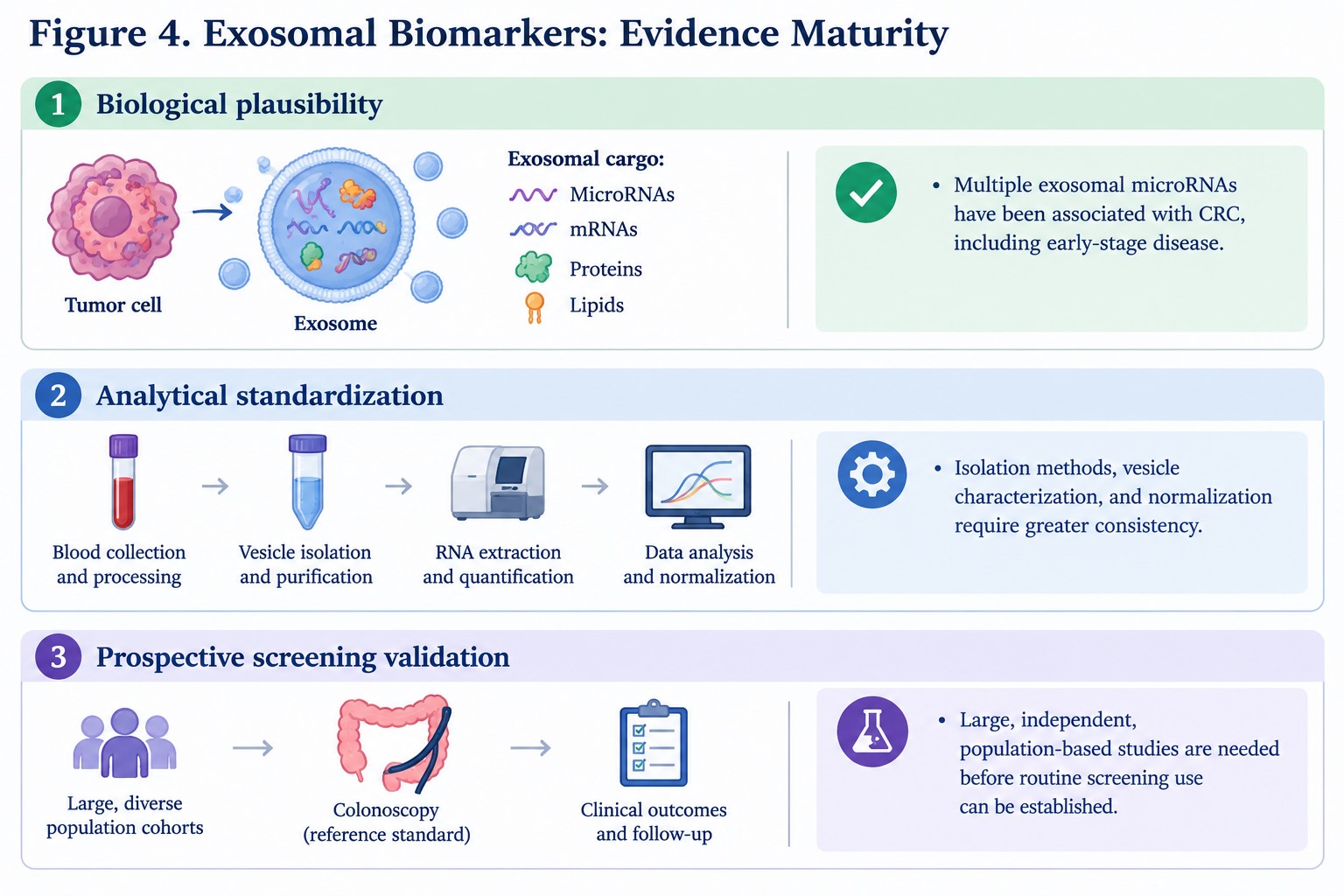
Abstract Background: Colorectal cancer (CRC) remains a major cause of cancer-related morbidity and mortality worldwide. Although colonoscopy and stool-based screening tests have improved early detection, participation, invasiveness, and limited sensitivity for some precancerous lesions remain important challenges. Liquid biopsy offers a minimally invasive approach for detecting tumor-derived molecular signals in blood, particularly circulating tumor DNA (ctDNA) and Exosomal biomarkers.

Objective: This review evaluates the biological rationale, diagnostic performance, clinical applications, and limitations of ctDNA and exosome-derived biomarkers for early CRC detection.

Methods: A narrative evidence synthesis developed from peer-reviewed clinical studies, diagnostic accuracy investigations, systematic reviews, and meta-analyses. Evidence organized according to biomarker type, molecular detection method, clinical population, diagnostic accuracy, and translational readiness. Published diagnostic estimates distinguished from interpretive conclusions; no new-pooled estimate calculated from individual studies.

Results: ctDNA assays detect tumor-associated mutations, methylation patterns, and frag entomic characteristics, whereas Exosomal biomarkers include microRNAs, proteins, and other molecular cargo protected within extracellular vesicles. In the prospective ECLIPSE study, a cell-free DNA blood test demonstrated 83.1% sensitivity for CRC and 89.6% specificity for advanced colorectal neoplasia, but sensitivity for advanced precancerous lesions was only 13.2% (Chung et al., 2024). Exosomal microRNA studies have identified promising candidate panels, although differences in isolation procedures, normalization, and study populations limit cross-study comparability. Combining complementary molecular signals may improve detection, but prospective population-based validation remains essential.

Conclusion: Liquid biopsy has substantial potential as a complementary CRC screening strategy. Its clinical value will depend on reproducible analytical methods, high sensitivity for early-stage disease and advanced precancerous lesions, appropriate specificity in asymptomatic populations, cost-effectiveness, and demonstrated benefits in screening participation and patient outcomes.

Comparison of Steel Bonded Carbides that are Heat Treatable with Cobalt Bonded Tungsten Carbide

Comparison of Steel Bonded Carbides that are Heat Treatable with Cobalt Bonded Tungsten Carbide

Volume 2, Issue 4, Autumn 2023, Pages 207-216

https://doi.org/10.5281/zenodo.8282603

Martin Viberman

Abstract In the general field of cemented carbides, cobalt-bonded tungsten carbide groups are the category that has undergone the most development over the past three decades. Arrangements, physical properties, manufacturing methods and application of this class of materials have been reviewed in the cemented carbides article in this issue. In many applications, tungsten carbide bonded to cobalt has certain disadvantages. The properties of titanium carbide bonded to steel can be compared to the same material for tungsten carbide bonded to cobalt as follows:

 Titanium carbides bonded to steel respond to heat treatment and when the joint is in an annealed condition, it can be machined with conventional machines.

 Carbide bonded to fully hardened steel can be heated to a variety of temperatures. Hence, it obtains more ductility than tungsten carbide bonded to cobalt.

 Cemented tungsten carbides are materials with high modulus. Carbides bonded to steel have a modulus that is not greater than that of steel.

 The coefficient of thermal expansion of steel-bonded carbides is closer to that of steel than to cemented tungsten carbides.

 Both tungsten carbide and carbide products can be soldered.

Advances in Stem Cell Therapy for Regenerative Medicine

Advances in Stem Cell Therapy for Regenerative Medicine

Volume 4, Issue 2, Spring 2025, Pages 207-223

https://doi.org/10.5281/zenodo.14790458

Behnaz Sadeghi Hosseini

Abstract One of these new concepts that was created with the increasing development of medical science and biological knowledge was “Regenerative Medicine”, which is referred to as the medicine of the future. It has been less than 20 years since the concept of regenerative medicine entered the medical field and has become one of the areas of interest of universities, research centers, and biotechnology and pharmaceutical companies. Regenerative medicine seeks to find new methods of preventing, diagnosing, and treating diseases, so that it can move from traditional medicine that works around the diagnosis and treatment with chemical and, to some extent, biotechnological drugs, towards individual-centered medicine and even precision medicine, for which biological products and drugs will play an important role. Despite the extensive advances in medical science, a significant number of human diseases are still incurable and only the symptoms of the disease are controlled. Therefore, regenerative medicine tries to treat these diseases definitively by using the same tools that the body naturally uses to repair damaged tissues and organs. These tools include: body cells, the material that surrounds cells in their natural habitat, and molecules that affect cells. Stem cells are one type of cell used in this field and have received special attention due to their great ability to transform into other cells and repair damaged areas. Stem cells play a major role in the development of organisms from the embryonic period and these cells can be identified in body tissues both during the embryonic period and after birth and are responsible for maintaining cellular balance in the normal state as well as during the process of repairing a tissue after disease.

Paroxysmal Atrial Tachycardia (PAT)

Paroxysmal Atrial Tachycardia (PAT)

Volume 3, Issue 1, Winter 2024, Pages 210-221

https://doi.org/10.5281/EJCMPR0224

Albert Indonis

Abstract It is a type of paroxysmal supraventricular tachycardia that appears suddenly following a sinus rhythm and drains suddenly. This rhythm may be caused by the rapid evacuation of an atrial fibrillation at a rate of 160-250 beats per minute, or conduction problems in the AV node, called AV node rotational tachycardia. In this way, an impulse is directed to an area of the AV node that causes the impulse to return repeatedly and rapidly from the same area (they have a shorter excitation phase) and each time the impulse is directed from this area to the ventricular side is also moved, causing a rapid ventricular response. Atrial tachycardia can be detected by three or more irregular atrial beats in a row with a rate of 250-220-250 beats per minute alternating with a normal sinus rhythm. Although PAT is also seen in clients with a healthy heart, it is often an underlying heart disease. Caffeine, nicotine, stress, hypoxemia, extreme fatigue, alcohol consumption, rheumatic heart disease, pulmonary embolism, cardiopulmonary disease, thyrotoxicosis, digitalis intoxication and heart surgery can trigger PAT. PAT reduces ventricular filling time and mean arterial pressure and increases myocardial oxygen demand. Clinical symptoms vary according to the rate and duration of tachycardia and the underlying cause. If the duration of dysrhythmia is short, the patient complains of palpitations and confusion. But if it reduces cardiac output, signs and symptoms such as restlessness, chest pain, shortness of breath, paleness, hypotension and decreased level of consciousness occur.

Angina Pectoris

Angina Pectoris

Volume 2, Issue 5, Autumn 2023, Pages 212-220

https://doi.org/10.5281/zenodo.8263036

Mahmoud Ali Hassan

Abstract The most common cause of angina is atherosclerosis of the coronary arteries. Signs and symptoms of angina pectoris appear when one or more coronary arteries are more than 75% blocked. Angina pectoris is derived from the Greek word meaning chest compression. The presence of angina indicates cardiac ischemia. Ischemia was associated with short-term angina. It does not lead to permanent damage to the heart muscle tissue, but it is nevertheless a life-threatening factor and can further lead to dysrhythmia and myocardial infarction. Angina pectoris is caused by a temporary ischemia caused by an imbalance between the supply and demand of oxygen required by the heart muscle. Angina pain is often relieved by rest and consumption of nitroglycerin and its accompanying symptoms include: shortness of breath, tachycardia, palpitations, nausea, vomiting, fatigue, sweating, paleness, weakness and syncope may be associated with Angina to be seen. Contact with cold and drinking cold liquids causes the arteries to constrict, reduces coronary blood flow, and increases the myocardial need for oxygen. Eating too much food reduces coronary blood flow and increases myocardial oxygen demand due to the diversion of blood to the gastrointestinal tract. Stress and anxiety, accompanied by the release of catecholamines into the bloodstream, increase blood pressure and increase heart rate and increase myocardial oxygen demand.